R. Baroudi: «Απόλυτα εφικτό η Ελλάδα να αποτελέσει στρατηγικό ενεργειακό κόμβο για την Ευρώπη»

Ένα από τα σημαίνοντα στελέχη της παγκόσμιας ενεργειακής αγοράς εξηγεί πώς προέκυψε η τέλεια ενεργειακή καταιγίδα – Τι λέει για τις άστοχες πολιτικές της Ευρώπης

O Roudi Baroudi έχει 40 χρόνια διεθνή εμπειρία στους τομείς του πετρελαίου και του φυσικού αερίου, των ανανεώσιμων και πράσινων πηγών και των ενεργειακών υποδομών. Η καριέρα του ξεκίνησε από τις Ηνωμένες Πολιτείες το 1978, πέρασε από την Παγκόσμια Τράπεζα, το ΔΝΤ και την Ε. Επιτροπή και τον έφερε στην περιοχή της Ανατολικής Μεσογείου, περιοχή που έχει μελετήσει βαθιά και για την οποία έχει γράψει το βιβλίο με τίτλο «Maritime Disputes in the Eastern Mediterranean: The Way Forward».

Διευθύνων σύμβουλος, πλέον, της Energy & Environment Holding του Κατάρ μετέχει στο 10ο «Athens Energy Dialogues» και μιλώντας στο newmoney επιμένει ότι μία συνεργασία Ελλάδας και Τουρκίας στον χώρο της ενέργειας είναι και δυνατή και αμοιβαία επωφελής, αν και όχι απολύτως ανώδυνη. Επίσης, προκαλεί αισιοδοξία η πεποίθησή του ότι έχει ξεκινήσει η διαδικασία αποκλιμάκωσης του κόστους της ενέργειας στην Ευρώπη.

-Ποια είναι η εκτίμησή σας για την ενεργειακή κρίση; Πόσο θα κρατήσει; Υπάρχει διέξοδος από αυτή χωρίς τη Ρωσία;

«Προφανώς είναι ένα πολύ σοβαρό πρόβλημα, όχι μόνο για την Ευρώπη, αλλά και για ολόκληρο τον κόσμο, καθώς επηρεάζει τόσες πολλές πτυχές της καθημερινότητας, από την τιμή του ηλεκτρικού ρεύματος έως τη βενζίνη, τις μεταφορές γενικότερα, την τροφική αλυσίδα κ.λπ. Είναι πολύ δύσκολο να προβλέψουμε πόσο θα διαρκέσει, καθώς ο πόλεμος μόλις ξεκίνησε. Η πρόβλεψη μιας ημερομηνίας λήξης είναι δύσκολο εγχείρημα, καθώς τόσο τα προβλήματα όσο και οι λύσεις έχουν πολλά κινούμενα μέρη.

Καταρχάς, το πρόβλημα είναι προϊόν πολλών παραγόντων, όπως:

  • οι παλαιότερες αποφάσεις για σταδιακή κατάργηση της χρήσης άνθρακα και πυρηνικών σε ορισμένες ευρωπαϊκές χώρες
  • η αποτυχία αποτελεσματικής διαφοροποίησης του συνολικού ενεργειακού καλαθιού της Ευρώπης (που οδηγεί άμεσα στην υπερβολική εξάρτηση από τις ρωσικές προμήθειες, ιδίως από το φυσικό αέριο που μεταφέρεται με αγωγούς)
  • οι επακόλουθες επιπτώσεις της πανδημικής κατάρρευσης των τιμών του πετρελαίου και του φυσικού αερίου, που ανάγκασε πολλούς παραγωγούς σε όλο τον κόσμο να κλείσουν, οδηγώντας με τη σειρά του σε ανοδικές πιέσεις στις διεθνείς τιμές όταν η ζήτηση ανέκαμψε.

Ο συνδυασμένος αντίκτυπος όλων αυτών έγινε ακόμη πιο βαρύς από τη συγκυρία: η κρίση έρχεται ακριβώς τη στιγμή που αγωνιζόμαστε να πετύχουμε με τους στόχους απαλλαγής από τις εκπομπές άνθρακα, καταργώντας τα ορυκτά καύσιμα. Έτσι οι ευρωπαϊκές αγορές ενέργειας έμειναν εξαιρετικά ευάλωτες σε διακοπές εφοδιασμού – ή ακόμα και στην πιθανότητα διακοπής.

Το να ξεσπάσει ο πόλεμος στην Ουκρανία, όταν αυτό έγινε, ήταν από πολλές απόψεις το χειρότερο σενάριο, και αυτό είναι που έχουμε να αντιμετωπίσουμε.

Δεύτερον, η αποτελεσματικότητα των λύσεων θα καθοριστεί από πολλαπλές μεταβλητές που εξαρτώνται από τη σωστή λήψη και εφαρμογή των αποφάσεων, την επαρκή χρηματοδότηση τόσο από τις κυβερνήσεις όσο και από διάφορους χρηματοπιστωτικούς οργανισμούς και τη συνεργασία μεταξύ των χωρών της ΕΕ και με τους γείτονές τους στη Βόρεια Αφρική και την Ανατολική Μεσόγειο.

Η Ευρώπη έχει πολλά κουμπιά που μπορεί να πατήσει και όσο περισσότερα πατήσει, τόσο καλύτερα θα είναι τα αποτελέσματα. Μερικά από αυτά θα ήταν:

  • η καθυστέρηση της σταδιακής κατάργησης του άνθρακα/πυρηνικής ενέργειας
  • η ριζική αύξηση των επενδύσεων σε ανανεώσιμες πηγές ενέργειας όπως η αιολική και η ηλιακή ενέργεια
  • η επέκταση των δυνατοτήτων της Ευρώπης να δέχεται και να επεξεργάζεται μεταφορά μέσω πλοίων υγροποιημένου φυσικού αερίου
  • η καλύτερη αξιοποίηση τέτοιων λύσεων στην Ισπανία, με σύνδεση μέσω αγωγών με τη Γαλλία και επομένως με την υπόλοιπη Ευρώπη
  • εγκατάσταση κοινών δικτύων ηλεκτρικής ενέργειας με γειτονικές περιοχές
  • η στήριξη στην αξιοποίηση υποθαλάσσιων κοιτασμάτων φυσικού αερίου στην Ανατολική Μεσόγειο και
  • η κατασκευή νέων αγωγών που συνδέουν τις αγορές της ΕΕ με τους παραγωγούς φυσικού αερίου στην Κεντρική Ασία.

Όσο περισσότερα από αυτά τα πράγματα κάνουμε –και κάνουμε καλά– τόσο πιο γρήγορα θα υποχωρήσει η κρίση. Όσο επιτρέπουμε να καθυστερεί η εφαρμογή τέτοιων μέτρων, τόσο περισσότερο θα διατηρηθεί η κρίση –και η ευπάθεια της Ευρώπης σε παρόμοια προβλήματα στο μέλλον.

Σε τελική ανάλυση, λοιπόν, ναι, μπορούμε να βγούμε από την κρίση, αλλά δεν υπάρχει ένα μόνο μονοπάτι που θα οδηγήσει εκεί. Και ναι, μπορούμε να το κάνουμε με ή χωρίς τη συμμετοχή των Ρώσων, αλλά φυσικά η διαδικασία θα ήταν πολύ πιο εύκολη αν με κάποιο τρόπο συμμετείχαν σε αυτή».

-Πιστεύετε ότι οι τιμές της ενέργειας είναι δυνατό να επιστρέψουν ξανά στα επίπεδα του 2020; Θα πρέπει οι Ευρωπαίοι να προσαρμοστούν στο να ζουν με ακριβό ηλεκτρικό ρεύμα και καύσιμα; Τι θα σήμαινε αυτό για την ευρωπαϊκή οικονομία;

«Μεσομακροπρόθεσμα, με την προϋπόθεση ότι θα λάβουμε όλα ή τα περισσότερα από τα μέτρα που ανέφερα προηγουμένως, οι τιμές της ενέργειας σίγουρα θα επιστρέψουν μια μέρα στα επίπεδα του 2020, αλλά όχι στις αρνητικές τιμές που παρατηρήθηκαν για σύντομο χρονικό διάστημα, όταν ο COVID-19 κατακρήμνισε τη ζήτηση.

Όπως είμαι βέβαιος ότι γνωρίζετε, οι τιμές πετρελαίου και φυσικού αερίου συνδέονται όχι μόνο με τις αντίστοιχες καταστάσεις προσφοράς και ζήτησης, αλλά και μεταξύ τους. Οι συνθήκες που προκάλεσαν αρνητικές τιμές ήταν εξαιρετικά ασυνήθιστες, και ακόμη κι αν προσεγγίζαμε ξανά αυτά τα επίπεδα, από τη φύση τους δεν θα μπορούσαν να διαρκέσουν πολύ.

Ωστόσο, οι τιμές μπορούν να μειωθούν και η διαδικασία βρίσκεται ήδη σε εξέλιξη.

Ήδη σήμερα, πολλές υπεύθυνες χώρες αυξάνουν την παραγωγή πετρελαίου και φυσικού αερίου για να βοηθήσουν στην ηρεμία των αγορών στην Ευρώπη και αλλού. Ωστόσο ορισμένες άλλες χώρες αρνούνται να το κάνουν, ενώ κάποιες άλλες βρίσκονται υπό κυρώσεις, που τις εμποδίζουν να φέρουν στην αγορά αρκετά εκατομμύρια βαρέλια που είναι απαραίτητα για να πέσουν οι τιμές.

Προς το παρόν, οι Ευρωπαίοι δυσκολεύονται πολύ να αντιμετωπίσουν το κόστος ηλεκτρικής ενέργειας και καυσίμων, ειδικά εδώ στην Ελλάδα, όπου οι τιμές της ενέργειας είναι απίστευτα υψηλές. Η Γερμανία είναι ένα άλλο παράδειγμα.

Δεδομένης της κατάστασης, και επειδή είναι η ταχύτερη διαθέσιμη μέθοδος, ορισμένες ευρωπαϊκές χώρες πρέπει να αναστείλουν ή να ανακαλέσουν τις αποφάσεις τους να κλείσουν τους πυρηνικούς σταθμούς και τους σταθμούς ηλεκτροπαραγωγής με άνθρακα. Πρέπει να καθυστερήσουν το κλείσιμο για άλλα πέντε έως επτά χρόνια και ίσως να κατασκευάσουν επίσης ένα ή δύο νέα εργοστάσια άνθρακα, για να αντιμετωπίσουν την αυξανόμενη ζήτηση και να περιορίσουν την ανοδική πίεση στις τιμές μέχρι να προστεθούν στο δίκτυο άλλες πηγές ενέργειας.

Παρά την πιθανότητα οι τιμές να υποχωρήσουν τελικά, βραχυπρόθεσμα έως μεσοπρόθεσμα, οι Ευρωπαίοι πρέπει οπωσδήποτε να προσαρμοστούν. Μελέτες έχουν δείξει ότι οι αυξημένες τιμές της ενέργειας θα σημαίνουν μειωμένη οικονομική ανάπτυξη, ειδικά στη Γερμανία.

Αυτό σημαίνει ότι περισσότεροι άνθρωποι θα έχουν λιγότερα μέσα για να αντεπεξέλθουν στις υψηλότερες τιμές ενέργειας και αυτό καθιστά καθήκον των ηγετών της ΕΕ και των εθνικών κυβερνήσεων να αναπτύξουν πολιτικές και μηχανισμούς για να αμβλύνουν το πλήγμα, ειδικά για τις οικογένειες με χαμηλότερο εισόδημα».

-Η ελληνική κυβέρνηση ζητά από την ΕΕ «στοχευμένη και προσωρινή παρέμβαση» στη χονδρική αγορά φυσικού αερίου για τη μείωση των τιμών. Πιστεύετε ότι μια τέτοια παρέμβαση είναι εφικτή, και αν ναι, τι αντίκτυπο θα μπορούσε να έχει;

«Είναι σίγουρα εφικτή. Υπάρχουν περιστάσεις όπου η ΕΕ θα πρέπει να βοηθήσει τα κράτη-μέλη, όπως σε περιόδους πολέμου, και η τρέχουσα κατάσταση είναι εξαιρετική, πρωτοφανής μετά τον Β’ Παγκόσμιο Πόλεμο. Με αυτήν την εξαιρετική κατάσταση πραγμάτων, η ελληνική κυβέρνηση –όπως κάθε άλλο κράτος μέλος– μπορεί και πρέπει να προτείνει βιώσιμους δρόμους προς τα εμπρός, π.χ. ανώτατα όρια στο αυξανόμενο κόστος ηλεκτρικής ενέργειας, πετρελαίου ή/και άλλων ενεργειακών δαπανών. Με τη βοήθεια της ΕΕ, η κυβέρνηση θα πρέπει να μπορεί να επιδοτεί ορισμένους καταναλωτές χαμηλού επιπέδου, για παράδειγμα νοικοκυριά των οποίων η κατανάλωση είναι μικρότερη από 100 KWh την ημέρα».

-Έχετε γράψει ένα βιβλίο με τίτλος «Ναυτιλιακές διαφορές στην Ανατολική Μεσόγειο: Ο δρόμος προς τα εμπρός». Πιστεύετε ότι υπάρχει περιθώριο για ειρηνική συνεργασία Ελλάδας, Κύπρου και Τουρκίας στον ενεργειακό τομέα και εάν ναι, ποια θα ήταν τα μέσα για να επιτευχθεί;

«Ναι, πιστεύω ακράδαντα ότι η Ελλάδα, η Κύπρος και η Τουρκία θα μπορούσαν και θα έπρεπε να βρουν τρόπους συνεργασίας στον ενεργειακό τομέα, και υπάρχουν αρκετοί τρόποι με τους οποίους η συνεργασία θα προσφέρει πολλά πλεονεκτήματα.

Το ένα είναι η εξερεύνηση και η εκμετάλλευση κοιτασμάτων πετρελαίου ή/και φυσικού αερίου κάτω από τον βυθό της Ανατολικής Μεσογείου, όπου τα μέρη θα μπορούσαν να μοιραστούν το κόστος, να μοιραστούν δεδομένα, να μειώσουν τις επικαλύψεις, να επενδύσουν το ένα στα κοιτάσματα του άλλου κ.λπ.

Το ίδιο θα μπορούσε να ισχύει και για τα υπεράκτια αιολικά πάρκα.

Ένας άλλος τρόπος είναι η κατασκευή ενός ή περισσότερων αγωγών που θα μετέφεραν αέριο από τη νοτιοανατολική Μεσόγειο στην Ευρώπη χωρίς να χρειάζεται όλη η διαδρομή να γίνεται κάτω από το νερό: ο αγωγός θα μπορούσε να φτάσει έως την τουρκική ακτή και ο υπόλοιπος να συνέχιζε από την στεριά.

Δυνητικά, οι τρεις χώρες θα μπορούσαν επίσης να συνεργαστούν για να κατασκευάσουν μια μονάδα LNG, μια τεράστια επένδυση που γίνεται πιο ελκυστική αν διαμοιραστεί το ρίσκο. Σίγουρα πάντα υπάρχει χώρος για ειρήνη και πάντα υπάρχει χώρος για διπλωματία. Ο δρόμος προς τα εμπρός είναι η Ελλάδα και η Τουρκία να συνεχίσουν τις συζητήσεις τους με βάση τις αρχές της Σύμβασης του ΟΗΕ για το Δίκαιο της Θάλασσας (UNCLOS) που είναι ο Άτλαντας του Παγκόσμιου Ωκεανού. Σε αντίθεση με την Κύπρο, ούτε η Ελλάδα ούτε η Τουρκία έχουν υπογράψει την UNCLOS, αλλά οι κατευθυντήριες γραμμές και τα δεδικασμένα της ισχύουν – και μπορούν να εφαρμοστούν – από όλες τις χώρες. Η UNCLOS παρέχει μια νομική και τεχνική υποδομή με την οποία η Ελλάδα και η Τουρκία, ως κύρια μέρη, θα μπορούσαν να καθίσουν και, με αναφορά σε έρευνες που χρησιμοποιούν την τελευταία λέξη της επιστήμης και τεχνολογίας, να καταλήξουν σε μια δίκαιη και ισότιμη θαλάσσια λύση.

Τόσο ο Πρωθυπουργός Μητσοκάκης όσο και ο Πρόεδρος Ερντογάν έχουν εκφράσει την προθυμία τους να επιλύσουν αυτή τη σύγκρουση και πιστεύω ότι αυτή τη στιγμή είναι η κατάλληλη για να γίνει.

Στο βιβλίο μου, έχω επισημάνει μελέτες που δείχνουν ότι και οι δύο χώρες θα έχαναν ορισμένες θαλάσσιες περιοχές, αλλά και οι δύο χώρες θα κέρδιζαν πολύ περισσότερα: την ομορφιά ενός αποτελέσματος win-win, στο οποίο και οι δύο γείτονες θα μπορούσαν να επωφεληθούν από τον πλούτο του πετρελαίου και του φυσικού αερίου της περιοχής, ενώ και οι δύο λαοί θα μπορούσαν να απολαμβάνουν ειρήνη και ευημερία.
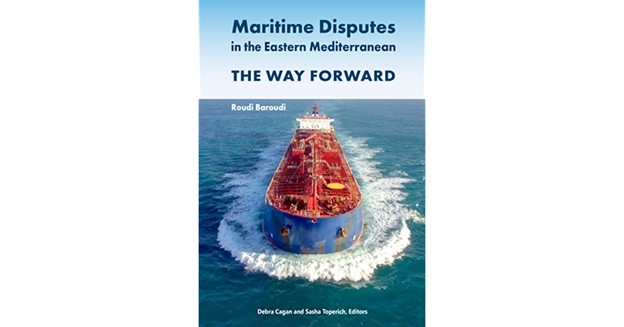
Φυσικά, αυτού του είδους η συνεργασία εξαρτάται από τη φιλική δέσμευση, και αυτή τη στιγμή αυτό ακούγεται δύσκολο, αλλά, όπως εξηγεί το βιβλίο, υπάρχουν τρόποι να επιλυθούν ορισμένες από τις διαφορές μεταξύ των τριών χωρών, ειδικά των διαφορών που σχετίζονται με τα θαλάσσια σύνορα.

Το επόμενο βιβλίο μου, «Κλίμα και ενέργεια στη Μεσόγειο», προχωρά ακόμη περισσότερο προτείνοντας συνεργασία σε όλη την ευρωμεσογειακή περιοχή. Ένα από τα παραδείγματα που μπορούμε να δούμε είναι η Κασπία, όπου πέντε χώρες – Αζερμπαϊτζάν, Ιράν, Καζακστάν, Ρωσία και Τουρκμενιστάν – βρήκαν μια πολύ δημιουργική λύση. Βασικά, συμφώνησαν να εφαρμόσουν ένα σύνολο κανόνων για τον βυθό της θάλασσας και ένα άλλο για το νερό και τους πόρους του. Αυτή η συμφωνία δεν είναι τέλεια, και ορισμένες πτυχές πρέπει ακόμη να αποτελέσουν αντικείμενο διμερών διαπραγματεύσεων, αλλά η συμφωνία επέτρεψε σε κάθε χώρα να πάρει τουλάχιστον μερικά από αυτά που ήθελε και να συνεχίσουν με την εκμετάλλευση των αντίστοιχων μεριδίων τους».

-Η Ελλάδα φιλοδοξεί να γίνει στρατηγικός ενεργειακός κόμβος για την Ευρώπη. Είναι αυτό εφικτό και αν ναι τι οφέλη θα αποφέρει στη χώρα;

«Είναι απολύτως εφικτό. Ανάλογα με τις ποσότητες που διαθέτουν, κάθε χώρα της Ανατολικής Μεσογείου που καταλήγει να παράγει πετρέλαιο και φυσικό αέριο μπορεί να γίνει τουλάχιστον σε κάποιο βαθμό ενεργειακός κόμβος. Κοιτάζοντας πίσω, πριν από 10 χρόνια, η Κύπρος είχε την ευκαιρία να γίνει ένας ωραίος περιφερειακός κόμβος αγωγών και τερματικού σταθμού LNG, και εάν η ανάπτυξη συνεχίσει να αυξάνεται, έχει ακόμα μια καλή ευκαιρία να πραγματοποιήσει αυτές τις προβλέψεις. Η Ελλάδα θα μπορούσε επίσης να γίνει σημαντικό ενεργειακό κέντρο την επόμενη δεκαετία, εάν επιβεβαιωθούν κοιτάσματα ανάλογα με αυτά που βρέθηκαν σε άλλες χώρες της Ανατολικής Μεσογείου, όπως η Αίγυπτος και το Ισραήλ. Πράγματι, πολλές εταιρείες του ιδιωτικού τομέα ενδιαφέρονται, αλλά αυτό πιθανότατα θα διαρκέσει 5-10 χρόνια αφού η εξερεύνηση επιβεβαιώσει επαρκείς ποσότητες υδρογονανθράκων. Τα οφέλη του κόμβου θα ήταν σημαντικά: περισσότερες καλοπληρωμένες θέσεις εργασίας για τους Έλληνες πολίτες, περισσότερα κέρδη για τις ελληνικές εταιρείες, περισσότερα έσοδα για την ελληνική κυβέρνηση, περισσότερα διαθέσιμα κεφάλαια για δρόμους, σχολεία και νοσοκομεία, μεγαλύτερη επιρροή στην ευρωπαϊκή και παγκόσμια σκηνή, και τα λοιπά».




European Energy Crisis: R. Baroudi: “It is entirely possible for Greece to be a strategic energy hub for Europe”

Roudi Baroudi
CEO, Energy & Environment Holding, Qatar
Interview with Newmoney.gr by Symela Touchtidou

Questions:

  1. What is your assessment on the current energy crisis? How long will it last? Is there a way out of it? Is there a way out of it without Russia included?

Obviously it’s a very serious problem, not only for Europe, but also for the whole world as this is affecting so many aspects, from electricity crises to petrol prices for vehicles, transportation in general, food chain, etc.

It’s very difficult to predict how long it will last as the war has just begun, but four months in, it has already caused so much damage. Predicting an end-date is a difficult ask because both the problems and the solutions have so many moving parts. First, the problem is a product of several contributing factors, including: earlier decisions to phase out coal and nuclear plants in some European countries; a failure to sufficiently diversify Europe’s overall energy basket (leading directly to over-reliance on Russian supplies, especially pipelined natural gas); and the after-effects of the early-pandemic collapse of oil and gas prices, which forced many producers around the world to shut down, leading in turn to upward pressure on international prices when demand recovered. The combined impact of all this was made even heavier by the timing: the crisis comes just as we are struggling to keep up with decarbonization goals by transitioning away from fossil fuels and toward cleaner and greener energy, leaving European energy markets extremely vulnerable to supply interruptions – or even the possibility thereof. To have had the Ukraine war break out when it did was in many ways worst-case scenario, and that’s what we’re dealing with.


Second, the effectiveness and timeliness of solutions will be determined by multiple variables that depend on sound decision-making and dedicated follow-up, adequate financing from both governments and multilateral financial institutions, and cooperation among EU countries and with their neighbors in North Africa and the Eastern Mediterranean. Europe has several buttons it can push, and the more of them it pushes, the better the results will be. Some of these would be to delay the coal/nuclear phaseouts; radically increase investments in renewables like wind and solar; expand Europe’s capacity to receive and process shipments of liquefied natural gas; make better use of such capacity in Spain by linking it to France, and therefore the rest of Europe, by pipeline; install shared power grids with neighboring regions; help develop undersea gas resources in the Eastern Mediterranean; and build new pipelines linking EU markets to gas producers in Central Asia. The more of these things we do – and do well – the sooner the crisis will recede. The more we allow implementation of such steps to be delayed, the longer the crisis – and Europe’s vulnerability to similar problems in the future – will persist.

So in the final analysis, yes, we can get out of this crisis, but there is no single path that will get use there. And yes, we can do so with or without the participation of the Russians, but of course the process would be much easier with them somehow included.


  1. Do you see energy prices ever going back to the 2020 levels? Will Europeans have to adjust to living with expensive electricity and fuels? What would that mean for the overall European economy?

In the medium/long terms, provided we take all or most of the steps I listed earlier, energy prices will definitely go back one day to the levels for 2020 as a whole, but not to the negative prices seen briefly when COVID-19 caused demand to fall off a cliff before production had been dialed back, causing a sudden glut. As I’m sure you know, commodity prices for oil and gas are connected not only to their respective supply and demand situations, but also to each other. The conditions that caused negative prices were highly unusual, and even if we approached those levels again, by their nature they could not last long.

Nonetheless, prices can be brought down, and the process is already under way. As of today, many responsible countries are increasing their production of oil and gas to help calm markets in Europe and elsewhere, but some countries are refusing to, while several others are under sanctions, preventing them from bringing to the market several million barrels needed to cool off the price hikes. For the time being, Europeans are having a very hard time to cope with electricity and fuel costs, especially here in Greece, where energy prices are unbelievably high.
Germany is another example.

Given the situation, and because it’s probably the fastest method available, some European countries need to suspend or reverse their decisions to close their nuclear and coal power plants. Instead, they need to delay closures for another five-to-seven years, and maybe build one or two new coal plants, too, to cope with rising demand and restrain upward pressure on prices until other sources of energy can come online.

Despite the likelihood that prices will eventually retreat, in the short to medium term, Europeans definitely need to adapt. Studies have indicated that elevated energy prices will mean reduced economic growth, especially in Germany, whose importance to the rest of Europe cannot be overstated. That means more people will have less means to cope with higher energy prices, and that makes it incumbent on EU and national leaders to develop policies and mechanisms to cushion the blow, especially for lower-income families.


  1. The Greek government asks from the EU “a targeted and temporary intervention” in the natural gas wholesale market to bring prices down. Do you believe such an intervention is possible, and if so, what impact could be?

It is definitely possible. There will be circumstances when the EU has to assist EU members, such as during times of war, and the current situation is an extraordinary one, unseen since World War II. With this extraordinary state of affairs, the Greek government – like any other member state – can and should propose viable paths forward, e.g. caps on rising electricity, petroleum and/or other energy costs. At the very least, with the help of the EU, the government should be able to subsidize certain low-level consumers, for instance households whose consumption is less than 100 KWh per day.


  1. Are you aware of the ‘Six-Point Plan’ of the Greek government? What is your assessment on it? (available here https://primeminister.gr/en/2022/03/09/28836 )

Yes, I am aware of the Six-Point Plan that Prime Minister Mitsotakis has proposed. It’s a very positive move forward in order to cushion some of the pain from disastrous price increases, which are driving inflation across the Greek economy. Here, Greece is contributing to the European Union’s overall policy formulation, which seeks to provide protection against the major consequences emanating from the Russia-Ukraine war, and the Greek plan is definitely doable. There are other measures, too, that could be taken to shield the country from the continuous negative repercussions of the war in Ukraine. Of course gas supplies could be increased by expanding the Trans-Anatolian gas pipeline (TANAP) to boost imports from Azerbaijan gas, for instance, but keeping coal power plants would also help contain pressure on electricity prices, as would adding a nuclear plant of 4,000-6,000 MW. Moving quickly to promote energy conservation, too, would also help alleviate spiking costs and give Greek households and business sustainable access to more affordable electricity.


  1. Greece is the only European country where electricity prices are directly linked to natural gas international stock prices. Do you believe there is a way out of this? What measures could be taken to bring electricity prices in the Greek market down?

Yes, there is definitely a way out. This is the responsibility of the Regulatory Authority for Energy, which controls and regulates energy prices in Greece. Given the circumstances, the RAE certainly has a powerful incentive to propose a different mechanism, one that would follow other European countries in order to help keep energy prices at affordable costs for all.


  1. You have written a book on “Maritime Disputes in the Eastern Mediterranean: The Way Forward”. Do you believe there is room for peaceful cooperation between Greece, Cyprus and Turkey in the energy field and if so, what would be the means to achieve it?

Yes, I believe very strongly that Greece, Cyprus, and Turkey could and should find ways to cooperate in the energy field, and there several ways in which working together would offer many advantages. One is exploration and development of oil and/or gas deposits beneath the seabed of the Eastern Mediterranean, in which the parties could share costs, share data, reduce duplication, invest in one another’s fields, etc. The same could go for offshore wind farms.

Another is the construction of one or more pipelines that could transport East Med gas to the European mainland without having to have the entire route under water: just get it to Turkish coast and run the rest of it overland. Potentially, the three countries also could team up to build an LNG plant, an enormous investment and therefore one for which spreading the risk would be very attractive.

Definitely there is always room for peace and there is always room for diplomacy. The way forward is for Greece and Turkey to continue their discussions based on the principles of the UN Convention on the Law of the Sea (UNCLOS) which is the Atlas of the World Ocean. Unlike Cyprus, neither Greece nor Turkey is a signatory to UNCLOS, but its guidelines and precedents are applicable to – and actionable by – all countries. UNCLOS provides a legal and technical infrastructure with which Greece and Turkey, as the main parties, could sit down and, with reference to surveys using the latest science and technology, arrive at a fair and equitable maritime solution. Both Prime Minister Mitsokakis and President Erdogan have expressed their willingness to solve this conflict, and I believe that right now, the time is right to get it done. In my book, I have highlighted studies indicating that both countries would lose some maritime areas, but both countries would gain far more: the beauty of a win-win outcome, one in which both neighbors would be able to benefit from the region’s oil and gas wealth, and both peoples would be able to enjoy peace and prosperity.


  1. Greece aspires to become a strategic energy hub for Europe. Is this possible and if so what benefits will it bring to the country?

Absolutely it is possible. Depending on what quantities they have, every East Med country that ends up producing oil and gas can become an energy hub to some extent at least. Looking back, 10 years ago, Cyprus was slotted to become a nice regional hub for pipelines and an LNG terminal, and if development keeps on growing, it still has a good chance to make those predictions come true. Greece could also become a major energy center in the next decade if their exploration efforts confirm the same kinds of deposits found offshore other East Med countries like Egypt and Israel. Indeed a lot of private sector firms are interested, but this will probably take 5-10 years after exploration confirms sufficient quantities of hydrocarbons.

The benefits of hub status would be significant: more good-paying jobs for Greek citizens, more profits for Greek companies, more revenues for the Greek government, more funds available for roads, schools, and hospitals, more influence on the European and global stages, etc.


EUROPE ENERGY CRISIS – Qatar and Germany sign energy strategic partnership

News – Oil and GasBerlin, May 2022

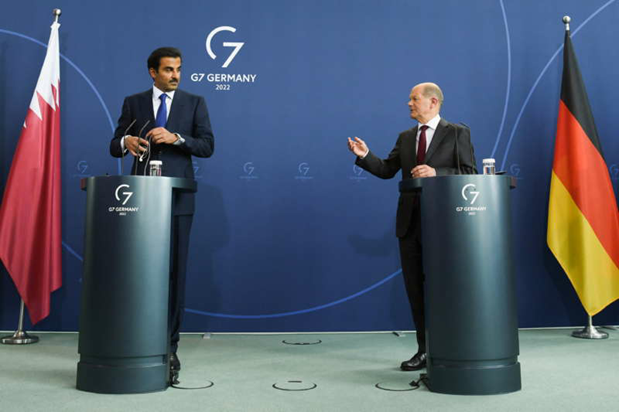
Qatar’s Emir, His Highness Sheikh Tamim bin Hamad Al Thani, and German Chancellor Olaf Scholz signed a strategic energy partnership on May 20 as Germany scrambles to reduce its dependence on imports of coal and pipelined natural gas from Russia, mainly to punish the latter for its invasion of Ukraine.

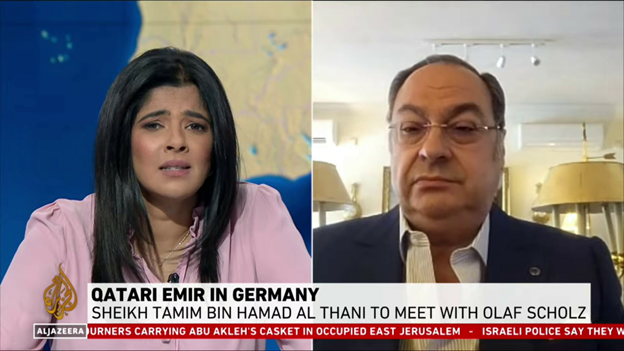
Al Jazeera turned to regional energy expert Roudi Baroudi to provide context and analysis for the summit, which could have historic implications. Baroudi confirmed that the German plan centers on a rapid switchover to seaborne shipments of liquefied natural gas, so the government is building two LNG plants, at Brunsbüttel and Wilhelmshaven, along with the possibility of adding three offshore floating storage and regasification units (FCRUs).

Baroudi estimated that these facilities, including the FSRUs, could account for 20-30% of German’s annual gas needs of approximately 85 billion cubic meters.

He also explained that Qatar, which has the world’s second largest gas reserves and has led the industry in LNG exports for most of the past two decades, would be a natural secure and reliable fit to supply even more gas to European terminals that it already does. The Gulf state has recently invested in even more LNG capacity, via an expansion of its North Field operations, which will see its output once again surpass those of the United States and Australia as the world’s largest producer


Russia-Ukraine War Could Delay Europe’s Decarbonization Plans for a Decade “The Whole Situation is Very Sad” – Energy Expert

8 April 2022
Roudi Baroudi

DELPHI, Greece: Russia’s invasion of Ukraine could force Europe to delay key decarbonization efforts for up to a decade, a prominent regional energy expert warned on Friday.

“They don’t have many choices left,” said Roudi Baroudi, CEO of Doha-based Energy and Environment Holding, an independent consultancy. “Unless some European countries pull out all the stops, much of the continent could soon be looking at crippling shortages, prohibitively high prices, or both.”

Now that Europe is moving to reduce imports of Russian oil and gas, he explained, some of the measures expected to reduce carbon emissions may have to be put off “for eight, nine, maybe ten years”, as would planned shutdowns of nuclear generating stations.

“The European Union will need to provide the necessary permissions in some cases, plus financing in others,” he said. “Eight to ten nuclear plants and as many as 30 coal stations slated for decommissioning will have to remain online to keep up with electricity demand, and several projects required to replace Russian gas will need to be accelerated with additional funding and/or guarantees.”

If and when gas stops flowing through pipelines from Russia, Baroudi told the conference, “it cannot be replaced by simply ordering more liquefied natural gas from Qatar, the United States, and/or other producers. Europe doesn’t have enough receiving facilities to re-gasify such huge amounts, which is why efforts to expand capacity in Germany and the Netherlands are so urgent.”

Coordinated releases of strategic oil reserves by the US and other countries are helping to contain upward pressure on crude and other energy prices, he said, but reasonable levels “cannot be maintained unless more supply makes it to market and that means oil producers –primarily OPEC but others as well – have to start pumping more.”

On yet another front, “Spain has both spare LNG receiving capacity and an undersea pipeline for imports of gas from North Africa – but very little of that can reach the rest of Europe unless and until a new pipeline connects the Iberian Peninsula to the rest of Europe via France,” said Baroudi, who has been advising companies and governments on energy policy for decades. “Paris has recently voiced new openness to that idea, but the EU can and should do more to facilitate it. It should also do more to establish an agreed route for another pipeline to carry gas from the Eastern Mediterranean to Greece and/or Turkey.”

Baroudi also argued that the EU would be wise to ensure adequate capital flows into renewables such as wind and solar. “We might have to retain fossil fuels longer than we had planned, but that’s no reason to stop funding a cleaner future,” he said. “In fact it’s a reason to move as quickly as possible.”

“The whole situation is very sad,” he added. “Ever since the Paris Agreements of 2015, and especially since the Glasgow climate summit last year, Europe had been on the right track to be ready for a decarbonized economy. But now those plans are temporarily being pushed to the back burner. Apart from the lives being lost in the fighting, the energy and economic implications will mean severe hardships across the continent and even beyond, especially for lower-income people, who are the most vulnerable as rising energy prices cause the cost of food to spike as well. So there will be hunger, too. And much of the cause is due to repeated delays in the diversification of Europe’s sources of supply. Now it finds itself scrambling to prevent an economic disaster.”


الحرب بين روسيا وأوكرانيا وسعي أوروبا الخاطئ إلى أمنها في مجال الطاقة

  بقلم: رودي بارودي

 لقد كشف تردد أوروبا في استهداف قطاع الطاقة الروسية لمعاقبة موسكو على غزوها لأوكرانيا مدى هشاشة إمدادات الطاقة للقارة، حيث تتطلب أفضل الحلول، فهماً أعمق لكيفية وصول الوضع الأوروبي إلى ما هو عليه اليوم.

 التفسير البسيط هو أن ألمانيا والعديد من الدول الأوروبية الأخرى أصبحت تعتمد بشكل مفرط على واردات الغاز الطبيعي الروسي.  لكن هذا ليس صحيحاً تماماً، لأن العديد من العوامل الأخرى تزيد من ضعف أوروبا، وبينما يلعب سوء التوقيت دوراً في بعضها، فإن البعض الآخر ينبع من إخفاقات كبيرة على مستوى صناعة القرار الاستراتيجي.

 قررت حكومات اوروبية عدة إغلاق محطات الطاقة النووية والفحم في السنوات الأخيرة، الأمر الذي لم يؤد سوى إلى زيادة حاجة أوروبا للطاقة – وبالتالي الاعتماد على – الغاز الروسي.  هذا لا يعني أنه لم تكن هناك أسباب مقنعة لهذه القرارات، وأن تزامن فترة ما بعد الاعتماد على الطاقة النووية مع الأزمة الروسية الأوكرانية يعد سوء طالع الى حد ما، ومع ذلك لا يمكن إنكار حقيقة أن التخلي عن هذا الكم الهائل من مولدات الطاقة النووية قد ترك لأوروبا عددًا قليلاً من البدائل العملية والقابلة للتطبيق.  لكن المشكلة الحقيقية لم تكن بالإغلاق التدريجي لوحدات التوليد النووية؛ بل الفشل المتمثل في عدم الاستعداد بشكل مناسب للعواقب من خلال تجهيز مصادر طاقة بديلة جديدة كافية، وخاصة مصادر الطاقة المتجددة.

في ألمانيا أيضاً، وإلى جانب سياسة التخلي عن الطاقة النووية نسبياً، تم تأجيل انشاء محطتين جديدتين لاستقبال شحنات الغاز الطبيعي المسال المنقولة بحراً لأكثر من عقد.  وهذا يعني أنه، حتى لو تمكنت أوروبا من تأمين ما يكفي من الغاز الطبيعي المسال لاستبدال الغاز الذي يُضخ إليها من روسيا عبر الأنابيب، فإنها تفتقر إلى القدرة الكافية على إعادة تحويل الغاز المسال إلى غاز جاهز للاستهلاك يمكن الاستفادة منه بالكامل.

 وفي منحىً مماثل، فإن خط أنابيب نابوكو المقترح – الذي كان سينقل الغاز الأذربيجاني والمصري والعراقي و / أو التركماني من تركيا إلى النمسا – تعرض أيضًا لعراقيل متكررة وإلغاء نهائي في عام 2013، مما زاد من أهمية اعتماد اوروبا على الغاز الروسي وخطوط الأنابيب الروسية.

 وبالرغم من ضياع هذه الفرص وغيرها على أوروبا والتي كانت ستؤمن لها المرونة في الاستفادة من مصادر طاقة متعددة من خلال تنويع مصادرها ووسائلها وطرق إمدادها، فإنه لا يزال أمام أوروبا الوقت لتحسين وضعها بشكل كبير، لا سيما على المدى المتوسط ​​والطويل.  أحد الخيارات الواعدة هو ربط فرنسا واسبانيا بالجزائر والمغرب بوسائط نقل الغاز بأنابيب تحت البحر مع امكانية كبيرة لإعادة تكرير الغاز المسال الى غاز قابل للاستهلاك، حيث يمكن بعد ذلك توزيع الإمداد بالغاز إلى دول اوروبية أخرى. إلا أن مسائل سياسية وعراقيل مختلفة قد أدت إلى إبطاء هذا الاقتراح أيضًا، لذلك لا يسعنا إلا أن نأمل أن تساعد الأزمة الاوكرانية في تسليط الضوء مجدداً في مدريد وباريس على هذا المقترح.

 هناك خطوات أخرى يمكن أن تتخذها أوروبا أيضًا، بعضها مباشر وتتطلب تسهيل التعاون عبر الحدود وتجاوز تطبيق بنود الاتفاقيات التي يمكن أن تستغرق وقتًا طويلاً لتتحقق.  يتمثل أحدها في تعزيز قدرة القارة على تحمل حالات انقطاع واردات الغاز من خلال زيادة قدرتها التخزينية، سواء للغاز التقليدي في كهوف الملح تحت الأرض أو للغاز المسال في مستودعات الغاز الطبيعي الجديدة أو الموسعة.

وهناك خطوة ثانية تتمثل في تأجيل الألمان والبلجيكيين وغيرهم إغلاق المحطات النووية المقرر إيقاف تشغيلها.  والثالثة هو أن يقوم الهولنديون بتوسيع موانئهم الحالية لاستقبال الغاز الطبيعي المسال، أما الخطوة الرابعة فقد بدأت في الأيام القليلة الماضية حيث استهل الألمان العمل في مرافق الاستيراد الخاصة بهم.  وقد تكون الخطوة الخامسة هي العمل فورًا على ربط حقل غاز شرق البحر الأبيض المتوسط عبر خط أنابيب إلى تركيا ومن بعدها إلى أوروبا.

يمكن أيضًا تحسين الوضع من خارج القارة.  فقد ضاعفت الولايات المتحدة، على سبيل المثال، صادراتها من الغاز الطبيعي المسال إلى أوروبا، وينبغي أن تكون قطر – التي أوفت بكل التزام من التزامات التسليم على الرغم من الحصار غير القانوني لمدة عامين ونصف العام الذي فرضه عليها بعض جيرانها – قادرة على زيادة شحناتها أيضًا، الأمر الذي من شأنه أن يعيد الثقة بأسواق التوريد.  أما إسبانيا فإلى جانب تلقيها الغاز عبر الأنابيب فهي ايضاً تتزود بالكهرباء المولدة من مزارع الطاقة الشمسية في شمال إفريقيا، بالإضافة الى نطاق شبكات تعاون المشتركة الهائل على امتداد المنطقة الأورو متوسطية.

أخيرًا وبالتأكيد ليس آخرًا، يمكن لأوروبا أن تخدم مصالحها على أفضل وجه – بكل ما للكلمة من معنى – من خلال الموافقة على دعمها المالي لمشاريع النفط والغاز المستقبلية للسنوات القليلة المقبلة، وأن تصبح أكثر جدية بشأن مصادر الطاقة المتجددة.  تمتلك دول الأورو متوسط ​​وحدها إمكانات كافية من طاقة الرياح البحرية لتحل محل الصناعة النووية العالمية بأكملها، بالإضافة الى تقنيات أخرى، بما في ذلك الطاقة الشمسية والأمواج والمد والجزر والطاقة الحرارية الأرضية تحت سطح البحر.

كل هذا يجب أن يوفر الاستقلالية عن الغاز الروسي وأن يعبد الطريق نحو السلام وليس الحرب.


Ο πόλεμος και η προβληματική αναζήτηση της Ευρώπης για ενεργειακή ασφάλεια

OPINIONS – 25.03.22 17:42

Roudi Baroudi

Τι πρέπει να γίνει για να υπάρχει απεξάρτηση από το ρωσικό αέριο και να κινούνται τα αγαθά για την ειρήνη, όχι για τον πόλεμο

Οι επιφυλάξεις της Ευρώπης να βάλει στο στόχαστρο τη ρωσική ενεργειακή βιομηχανία για να τιμωρήσει τη Μόσχα για την εισβολή της στην Ουκρανία έχει αποκαλύψει ότι οι ενεργειακές προμήθειες της ηπείρου δεν είναι επαρκείς, με τις καλύτερες λύσεις να απαιτούν βαθύτερη κατανόηση του πώς η ευρωπαϊκή κατάσταση έφτασε στο σημείο που είναι σήμερα.

Η απλή εξήγηση είναι ότι η Γερμανία και πολλές άλλες ευρωπαϊκές χώρες έχουν γίνει υπερβολικά εξαρτημένες από τις εισαγωγές ρωσικού φυσικού αερίου. Αλλά αυτό είναι μόνο εν μέρει αλήθεια, καθώς πολλοί άλλοι παράγοντες τονίζουν την αδυναμία της Ευρώπης, άλλοι το αποδίδουν σε ατυχή συγκυρία, άλλοι το ερμηνεύουν ως αποτυχία στο επίπεδο λήψης στρατηγικών αποφάσεων.

Πρώτον, πολλές κυβερνήσεις αποφάσισαν να κλείσουν τους πυρηνικούς σταθμούς και τους σταθμούς ηλεκτροπαραγωγής με άνθρακα τα τελευταία χρόνια, γεγονός που απλώς αύξησε την ανάγκη της Ευρώπης και συνεπώς την εξάρτησή της από το ρωσικό αέριο. Αυτό δεν σημαίνει ότι δεν υπήρχαν επιτακτικοί λόγοι για αυτές τις αποφάσεις, και η σύμπτωση αυτής της μεταπυρηνικής περιόδου με την κρίση Ρωσίας-Ουκρανίας είναι τουλάχιστον εν μέρει κακή τύχη.

Ωστόσο δεν μπορεί να αμφισβητηθεί το γεγονός ότι η αδράνεια ή η ανικανότητα σε μεγάλες παραγωγές έχει αφήσει την Ευρώπη με λίγες πρακτικές και βιώσιμες εναλλακτικές λύσεις.

Το πραγματικό πρόβλημα, ωστόσο, δεν ήταν οι πυρηνικές διακοπές λειτουργίας των ίδιων των τοπικών μονάδων παραγωγής, αλλά μάλλον μια αποτυχία επαρκούς προετοιμασίας για τις συνέπειες προσθέτοντας άλλες εναλλακτικές όπως τις ανανεώσιμες πηγές ενέργειας.

Επίσης στη Γερμανία, και εν μέρει παράλληλα με τις διαδικασίες αποπυρηνικοποίησης, δύο νέοι τερματικοί σταθμοί για την παραλαβή υγροποιημένου φυσικού αερίου (LNG) έχουν καθυστερήσει για περισσότερο από μια δεκαετία.

Αυτό σημαίνει ότι ακόμη κι αν η Ευρώπη μπορούσε να εξασφαλίσει αρκετό LNG για να αντικαταστήσει το φυσικό αέριο που λαμβάνει από τη Ρωσία, δεν έχει επαρκή ικανότητα επαναεριοποίησης για να το χρησιμοποιήσει πλήρως.

Ομοίως, ο προτεινόμενος αγωγός Nabucco -ο οποίος θα μετέφερε αέριο από το Αζερμπαϊτζάν, την Αίγυπτο, το Ιράκ ή και το Τουρκμενιστάν από την Τουρκία στην Αυστρία- σημείωσε επίσης επανειλημμένες καθυστερήσεις και τελικά ακυρώθηκε το 2013, επιβάλλοντας περαιτέρω τη σημασία του ρωσικού φυσικού αερίου και των ρωσικών αγωγών.

Παρά το γεγονός ότι η Ευρώπη έχασε αυτές και άλλες ευκαιρίες να γίνει πιο ευέλικτη και πιο ανθεκτική διαφοροποιώντας τις πηγές, τα μέσα και τις οδούς εφοδιασμού της, έχει ακόμη χρόνο να βελτιώσει ουσιαστικά τη θέση της, ιδίως μεσοπρόθεσμα και μακροπρόθεσμα.

Μια πολλά υποσχόμενη επιλογή είναι μια διασύνδεση φυσικού αερίου που θα επεκτείνει ριζικά τη χωρητικότητα του αγωγού μεταξύ της Ισπανίας, με υποθαλάσσιους αγωγούς προς την Αλγερία και το Μαρόκο και μια σημαντική αχρησιμοποίητη ικανότητα επαναεριοποίησης, και της Γαλλίας, από όπου οι εν λόγω προμήθειες θα μπορούσαν στη συνέχεια να διανεμηθούν σε άλλα σημεία της Ευρώπης.

Πολιτικές και άλλες ανησυχίες έχουν επιβραδύνει και αυτή την πρόταση, επομένως μπορούμε μόνο να ελπίζουμε ότι το επεισόδιο της Ουκρανίας θα βοηθήσει να ανανεωθεί η εστίαση στη Μαδρίτη και το Παρίσι.

Υπάρχουν και άλλα βήματα που θα μπορούσε να κάνει η Ευρώπη, μερικά από αυτά αρκετά απλά και απαιτούν λιγότερα από τη διακρατική συμφωνία και συνεργασία που μπορεί να πάρουν τόσο πολύ χρόνο για να επιτευχθούν και να ενεργοποιηθούν.

Το ένα είναι να ενισχύσουμε την ικανότητα της ηπείρου να αντέχει τις διακοπές παράδοσης αυξάνοντας την ικανότητα αποθήκευσης, είτε για συμβατικό αέριο σε υπόγεια σπήλαια αλατιού είτε για την υγροποιημένη έκδοση σε νέες ή διευρυμένες αποθήκες LNG. Ένα άλλο είναι να καθυστερήσουν οι Γερμανοί, οι Βέλγοι και άλλοι το κλείσιμο των πυρηνικών σταθμών που επί του παρόντος προγραμματίζονται για παροπλισμό.

Ένα τρίτο είναι να επεκτείνουν οι Ολλανδοί τα υπάρχοντα λιμάνια λήψης LNG και ένα τέταρτο ξεκίνησε τις τελευταίες ημέρες, καθώς οι Γερμανοί άρχισαν να εργάζονται για τις δικές τους εγκαταστάσεις παραλαβής. Ένα πέμπτο είναι να εργαστεί άμεσα στο κοίτασμα φυσικού αερίου East Med Leviathan για σύνδεση μέσω αγωγού με την Τουρκία και μετά με την Ευρώπη.

Η κατάσταση μπορεί επίσης να βελτιωθεί από χώρες εκτός Ευρώπης. Οι Ηνωμένες Πολιτείες, για παράδειγμα, έχουν διπλασιάσει τις εξαγωγές LNG στην Ευρώπη, και το Κατάρ -το οποίο τήρησε κάθε μία από τις δεσμεύσεις του για παράδοση παρά τον παράνομο αποκλεισμό δυόμισι ετών που του επέβαλαν ορισμένοι από τους γείτονές του- θα πρέπει να είναι σε θέση να αυξήσει και τις αποστολές του, κάτι που θα αποκαθιστούσε την εμπιστοσύνη στις αγορές εφοδιασμού.

Εκτός από το φυσικό αέριο που διοχετεύεται με αγωγούς, η Ισπανία λαμβάνει επίσης ηλεκτρική ενέργεια που παράγεται από ηλιακά πάρκα στη Βόρεια Αφρική και τα περιθώρια για παρόμοια κοινά δίκτυα στην ευρωμεσογειακή περιοχή είναι τεράστια.

Τελευταίο, αλλά σίγουρα εξίσου σημαντικό, η Ευρώπη μπορεί να εξυπηρετήσει καλύτερα τα δικά της συμφέροντα -με όλη τη σημασία της λέξης- εγκρίνοντας τη χρηματοδοτική της υποστήριξη σε μελλοντικά έργα πετρελαίου και φυσικού αερίου για τα επόμενα χρόνια και λαμβάνοντας ακόμη πιο σοβαρά τις ανανεώσιμες πηγές ενέργειας.

Οι ευρωμεσογειακές χώρες από μόνες τους έχουν αρκετό υπεράκτιο δυναμικό αιολικής ενέργειας για να αντικαταστήσουν ολόκληρη την παγκόσμια πυρηνική βιομηχανία, και άλλες τεχνολογίες καλούν επίσης, όπως ηλιακή, κυματική, παλιρροιακή και υποθαλάσσια γεωθερμία.

Όλα αυτά για να υπάρχει απεξάρτηση από το ρωσικό αέριο και να κινούνται τα αγαθά για την ειρήνη, όχι για τον πόλεμο.


The Russia-Ukraine war and Europe’s flawed quest for energy security

Putin

THE VIEWS EXPRESSED BY CONTRIBUTORS ARE THEIR OWN AND NOT THE VIEW OF THE HILL

Europe’s hesitance over targeting Russia’s energy industry to punish Moscow for its invasion of Ukraine has exposed the precariousness of the continent’s energy supplies, with best solutions demanding a deeper understanding as to how the European situation got to where it is today.

The simple explanation is that Germany and several other European countries have become over-reliant on imports of Russian natural gas. But this is only partly true; numerous other factors accentuate Europe’s vulnerability, and while some amount to unfortunate timing, others stem from significant failings at the strategic decision-making level.

For one thing, several governments have decided to close their nuclear and coal power plants in recent years, which has only increased Europe’s need for — and therefore dependence on — Russian gas. This is not to say that there were no compelling reasons for these decisions, and the coincidence of this post-nuclear period with the Russia-Ukraine crisis is at least partly bad luck, yet there is no denying the fact that the idling of so much output capacity has left Europe with few practical and viable alternatives. The real problem, though, was not the nuclear shutdowns phasing out local generating units themselves; rather, it was a failure to adequately prepare for the consequences by adding enough new capacity, especially renewables.

Also in Germany, and partly alongside the denuclearization process, two new terminals for receiving seaborne shipments of liquefied natural gas (LNG) have been delayed for more than a decade. This means that even if Europe were able to secure enough LNG to replace the piped gas it gets from Russia, it lacks sufficient regasification capacity to make full use of it.

Similarly, the proposed Nabucco pipeline — which would have carried Azerbaijani, Egyptian, Iraqi, and/or Turkmen gas from Turkey to Austria — was also subjected to repeated delays and eventual cancellation in 2013, further entrenching the importance of Russian gas and Russian pipelines.

Despite having missed these and other opportunities to make itself more flexible and more resilient by diversifying its sources, means, and routes of supply, Europe still has time to substantially improve its position, especially in the medium and long terms.

One promising option is a gas interconnector which would radically expand the pipeline capacity between Spain, with both undersea pipelines to Algeria and Morocco and a considerable unused regasification capacity, and France, from where the supplies in question could then be distributed to other points in Europe. Political and other concerns have slowed this proposal as well, so we can only hope that the crisis in Ukraine will help renew the focus in Madrid and Paris.

There are other steps Europe could take as well, some of them quite straightforward and requiring less of the cross-border agreement and cooperation that can take so long to reach and activate. One is to bolster the continent’s ability to withstand delivery interruptions by increasing its storage capacity, whether for conventional gas in underground salt caverns or for the liquefied version in new or expanded LNG depots. Another is for the Germans, Belgians, and others to delay the closure of nuclear plants currently slated for decommissioning. A third is for the Dutch to expand their existing LNG receiving ports, and a fourth has got under way in the last few days as the Germans have started work on their own receiving facilities. A fifth is to work immediately on the East Med Leviathan gas field to connect via pipeline to Turkey and onward to Europe.

The situation can also be ameliorated from the outside. The United States, for example, has doubled its LNG exports to Europe, and Qatar — which met every single one of its delivery commitments despite the illegal two-and-half-year blockade imposed on it by some of its neighbors — should be able to increase its shipments, too, something that would restore confidence in supply markets. In addition to pipelined gas, Spain also receives electricity generated by solar farms in North Africa, and the scope for similar shared grids across the Euro-Mediterranean region is enormous.

Last, but certainly not least, Europe can best serve its own interests — in every sense of the word — by approving its financial support on future oil and gas projects for the next few years and getting even more serious about renewables. The Euro-Med countries alone have enough offshore wind power potential to replace the entire global nuclear industry, and other technologies beckon as well — including solar, wave, tidal, and undersea geothermal.

All this to become independent of Russian gas and to move for peace, not war.

Roudi Baroudi is a senior fellow at the Transatlantic Leadership Network and the author of “Maritime Disputes in the Mediterranean: The Way Forward” a book distributed by the Brookings Institution Press. With more than 40 years of experience in fields including oil and gas, electricity, infrastructure and public policy, he currently serves as CEO of Energy and Environment Holding, an independent consultancy based in Doha, Qatar.


ترسيم الحدود البحرية شمالاً… بارودي: لاجتماع ثلاثي للتوصل إلى نقطة تقاطع

يَجمع قصر بعبدا اليوم رئيس الجمهورية العماد ميشال عون ورئيسَي مجلس النواب نبيه بري والوزراء نجيب ميقاتي، لبحث موقف لبنان الرسمي من عرض الوسيط الاميركي آموس هوكشتاين لترسيم الحدود البحرية.

في انتظار معلومات قد ترشح عن الاجتماع، يُجمع الخبراء على أن موضوع ترسيم الحدود البحرية للبنان شمالاً وجنوباً، يجب أن يكون ضمن سلة واحدة، في حين أن لبنان لم يرسّم حدوده لا مع سوريا ولا مع قبرص ولا مع إسرائيل علماً أن المفاوضات الأصعب مع الأخيرة بفعل العداء بين البلدين.

وفيما الساحة الإقليمية عموماً والداخلية خصوصاً تترقب مآل المفاوضات غير المباشرة مع إسرائيل على وقع الدرس الرسمي اللبناني لاقتراح الوسيط الأميركي آموس هوكشتاين، تتوجّه الأنظار إلى الحدود البحرية الشمالية للبنان للسؤال عن مصير المفاوضات مع سوريا لترسيم تلك الحدود…

الخبير الدولي في شؤون الطاقة رودي بارودي يرى رداً على سؤال لـ”المركزية”، أن “ملف الحدود البحرية الشمالية بين لبنان وسوريا، يحتاج إلى حل في إطار من المفاوضات الوديّة”، كاشفاً أن “في الوقت الحاضر لا يزال الملف مجمّداً، ولم تتم معالجة الحدود البحرية حتى الآن”.

ويُلفت إلى أن “متابعة الموضوع تتطلّب أيضًا عقد اجتماع ثلاثي الأطراف يضمّ لبنان وسوريا وقبرص من أجل حل مسألة الحدود البحرية والتوصل بالتالي إلى نقطة تقاطع ثلاثية”.

ويذكّر بارودي بأن “لبنان سبق أن أعلن من جانب واحد عن خط الحدود البحري الخاص به، ونشر إحداثيّاته الجغرافية بالإضافة إلى الوثائق كافة مع “وحدة شؤون المحيطات” ووفق “معاهدة الأمم المتحدة لقانون البحار” (وهي اتفاقية دولية توفّر إطاراً قانونياً متكاملاً لآلية الانتفاع من مياه البحار والمحيطات في العالم، وهي تضمن الحفاظ على الموارد البيئية والبحرية وكذلك الانتفاع العادل لتلك الموارد).

ويُضيف: استُخدم هذا الخط كخط الأساس الطبيعي الافتراضي لسوريا، وخط الأساس الطبيعي الافتراضي مع لبنان. ومع ذلك، لا يتطابق هذا الخط مع ذلك المتساوي الأبعاد الموجود في الخرائط المنشورة أدناه. وربما استخدم لبنان خرائط أساسية قديمة للتوصل إلى خطوطه المقترحة.

وفي المقلب الآخر، تطرّق بارودي إلى البلوكات الموجودة بين لبنان وسوريا، ولبنان وقبرص، ويقول: من المهم أن نعرف وفقًا للدراسة التي أجريتها مؤخرًا عن “قانون البحار”، أن بلوكات البلدان الثلاثة تتداخل ببعضها البعض. البلوك السوري يتداخل مع البلوك اللبناني بـ15383 متراً، بينما البلوك اللبناني فيمتد على البلوك السوري بـ1707 أمتار تقريباً. بينما البلوك اللبناني يتداخل مع حدود قبرص بـ5 أمتار تقريباً، فيما البلوك القبرصي يمتد إلى البلوك اللبناني  بـ233 متراً تقريبًا.

في ظل هذه الصورة، هل يحرّك لبنان ملف الترسيم شمالاً بالتوازي مع الترسيم جنوباً؟ أم سيكون مصير الأول كمصير الثاني وهو التخبّط وإضاعة الوقت؟!


LA DOTE ENERGETICA DELL’IRAN TORNA A FAR GOLA AI MERCATI

Roberto Bongiorni – Il Sole 24 Ore Sabato 12 Febbraio 2022– N.42
E se una mano per alleggerire in futuro la dipendenza energetica europea dalla Russia, e raffreddare oggi le quotazioni del greggio, arrivasse proprio dal Paese più sanzionato di tutti?
In questi giorni gli occhi del mondo sono puntati su Vienna, dove è in corso l’8°round di negoziati tra il gruppo 5+1 e la delegazione iraniana sul programma nucleare. È un momento cruciale. I progressi compiuti da Teheran nel processo di arricchimento dell’uranio hanno posto gli Stati Uniti davanti a un bivio; o si conclude un accordo entro febbraio, o poco dopo, oppure sarà troppo tardi.
I mercati del petrolio sono in trepidazione. Se dovesse venire riconfermato il Jpcoa, l’accordo firmato nel luglio 2015, verrebbero rimosse le sanzioni. La riconferma del Jpcoa raffredderebbe subito i prezzi del greggio, oggi sopra i 90 dollari al barile.
D’altronde la dote energetica dell’Iran è invidiabile. Possiede le seconde riserve di gas naturale al mondo e le terze di petrolio. Quando, a inizio 2016, vennero rimosse le sanzioni internazionali contro Teheran, l’Iran sorprese il mondo aumentando in tempi molto più rapidi delle attese la sua offerta di greggio. In 12 mesi l’export più che raddoppiò a due milioni di barili al giorno (mbg). Poi arrivò la doccia fredda: l’8 maggio del 2018 il presidente americano Donald Trump decise di uscire abbandonare il Jpcoa. Le “sanzioni più dure di sempre”, volute Trump, assestarono un durissimo colpo sulle vendite iraniane di greggio. Prima del maggio 2018, l’Iran arrivò a produrre un picco di 4,8 milioni di barili al giorno, esportandone circa tre. Nel 2019, quando si abbatté la scure delle sanzioni, l’export crollò, precipitando nel febbraio 2020 a 400mila barili al giorno, il livello più basso da 30 anni. Oggi la situazione si ripete. Ma lo scenario in cui avviene è diverso. Il prezzo del barile sta puntando ai 100 dollari. Sul mercato europeo, le quotazioni del metano, che in alcune circostanze seguono in parte quelle del greggio, sono quintuplicate in soli sette mesi.
LA DOTE ENERGETICA DELL’IRAN TORNA A FAR GOLA AI MERCATI
La futura ricchezza dell’Iran è invece il gas naturale. L’Iran galleggia su un mare di metano; ha le seconde riserve mondiali. Condivide con il Qatar il giacimento più grande al mondo, South Pars, nelle acque del Golfo Persico. Il Qatar lo sfrutta da tempo ed è divenuto il primo produttore mondiale di gas naturale liquefatto (Lng). L’Iran ne sfrutta solo una minima parte. Nel corso degli anni, nonostante le sanzioni, Teheran è comunque riuscita ad aumentare la produzione di metano, spesso associata all’estrazione di greggio. Ma ne ha esportato molto poco. La gran parte è destinata al mercato interno, dove i consumi sono in costante crescita. Il 73% dell’elettricità prodotto in Iran, Paese da oltre 80 milioni di abitanti, è ricavata proprio dal gas.
Per l’Iran il gas naturale liquefatto è la via più facile, più rapida e più redditizia, spiega da Doha Roudi Baroudi, esperto di energia ed autore di studi sui gasdotti mediterranei. «L’Iran ha realizzato una serie di gasdotti con la Turchia e l’Iraq (Nel 2020 Iraq e Turchia hanno rappresentato rispettivamente il 64% ed il 33% delle esportazioni iraniane di metano, Ndr) – continua Barudi -. Per raggiungere l’Europa dovrebbe aumentarne la capacità e costruire nuove tratte. In una regione tuttavia estremamente instabile. L’Lng è molto più flessibile».
Nell’Iran settentrionale potrebbe aprirsi un potenziale nuovo corridoio. In agosto il ministero dell’Energia ha infatti ufficializzato la scoperta del più grande giacimento di gas naturale nel settore iraniano del Mar Caspio. Il campo Chalous potrebbe così contribuire alla realizzazione di un nuovo hub del metano nel nord dell’Iran.
Certo, in ogni caso Tehran non potrà prescindere dagli investimenti stranieri. «L’Iran non può fare a meno della tecnologia che solo le compagnie occidentali possono offrire. Ci vorranno investimenti per 60 miliardi di dollari. Si potrebbe rimettere in vita l’accordo con Total», continua Baroudi. Nel 2017 fu proprio la compagnia francese ad essere la prima major a firmare, dopo la rimozione delle sanzioni, un accordo da cinque miliardi di dollari con la National Iranian Oil Company per lo sviluppo e la produzione della fase 11 di South Pars.
Se tutto andrà liscio, ci vorrà comunque del tempo prima che il gas iraniano potrà raggiungere le coste europee. «Prima occorre incrementare la produzione a South Pars. Ci vogliono da uno a tre anni. Poi servono altri 12-24 mesi realizzare gli impianti per liquefare il gas e acquistare le navi per trasportarlo », conclude Baroudi.
Se venisse raggiunto un accordo a Vienna, sul breve termine il greggio iraniano potrebbe dunque raffreddare le quotazioni attuali. Mentre nell’arco di qualche anno il gas di Teheran potrebbe contribuire a diversificare gli approvvigionamenti europei permettendo a Bruxelles di ridurre la dipendenza dalla Russia. Nello scenario peggiore – un’invasione russa dell’Ucraina e un mancato accordo sul nucleare – gli Usa imporrebbero sanzioni energetiche sul primo produttore mondiale di greggio e gas, e manterrebbero al contempo quelle su uno dei primi cinque esportatori di greggio (con le seconde riserve di gas). L’America possiede gas e greggio in abbondanza per soddisfare la domanda delle sua industria. Chi ci rimetterebbe sarebbero proprio i Paesi europei, Italia in testa.


هوكشتاين إلى بيروت الثلثاء حاملاً «مقاربة» تعيد إحياء مفاوضات الترسيم… لبنان ينتظر «الاقتراحات»

-02-2022  – موريس متى

يصل الى بيروت الثلثاء المقبل المنسق الاميركي لشؤون الطاقة الدولية والوسيط في موضوع #ترسيم الحدود البحرية الجنوبية آموس هوكشتاين آتيا من تل أبيب وفي جعبته تصور لكيفية إعادة إحياء المفاوضات غير المباشرة بين لبنان وإسرائيل لترسيم الحدود، فيما تشير المعلومات الى إمكان ان يحمل هوكشتاين للجانب اللبناني ردا رسميا إسرائيليا على الشروط اللبنانية التي تعيد الوفد اللبناني الى طاولة المفاوضات.

تتعدد الروايات والتحليلات لما قد يحمله المفاوض الاميركي معه الى بيروت، في حين تشير المعلومات الى امكان ان يقترح الابقاء على الخط 23 وإسقاط الخط 29 والتأكيد على حق لبنان بمساحة الـ 860 كلم2 المتنازع عليها، شرط التأكيد على ملكية إسرائيل لحقل «كاريش» على ان يكون حقل «قانا» من حصة لبنان. ولكن، في حال صدقت هذه التوقعات، نكون قد انتقلنا من حل «علمي» لترسيم الحدود الى حل «سياسي» يسقط الخطوط المقترحة لكون جزء من حقل «قانا»، الذي تقدّر احتياطاته بمليارات الدولارات، وقد يصل حجم ثرواته إلى ضعفَي حقل «كاريش»، وثلثا هذا الحقل موجودان في البلوك الرقم 9 اللبناني، أما الثلث المتبقي فموجود مباشرة تحت الخط 23. وحتى مع اعتماد الخط 23 والابقاء على مساحة الـ 860 كلم2 لمصلحة لبنان، فان أي حل لا يحفظ كل حقل «قانا» لمصلحة لبنان لن ترضى به بيروت. ويبدو ان الجانب الاسرائيلي هو الاكثر «إستعجالا» للإنتهاء من ملف ترسيم الحدود البحرية مع لبنان، حيث تترقب إسرائيل وصول باخرة التنقيب في آذار المقبل لبدء العمل في حقول «تانين» و»كاريش نورث» و»كاريش ساوث»، مع الاشارة الى ان كل حقل «كاريش نورث» يقع ضمن المنطقة المتنازع عليها مع لبنان، في حين ان ما بين 5% الى 10% من حقل «كاريش ساوث» يقع ضمن المنطقة المتنازع عليها. وفي أحدث التطورات المتعلقة بسعي إسرائيل للإسراع في بدء العمل على هذه الحقول، وبعد أيام من اعلان وزير الطاقة الإسرائيلي تمنياته باستئناف المفاوضات الحدودية مع لبنان بوساطة أميركية قريبا، توقّع شركة «إنرجين» اليونانية التي تعمل على حقول غاز «كاريش» و»كاريش الشمالي» و»تانين» قبالة السواحل الاسرائيلية، عقد بدء استخراج الغاز من حقل «كاريش» بحلول الربع الثالث من العام الحالي مع استخدام سفينة FPSO التي بنتها شركة Sembcorp Marine في سنغافورة بكلفة مليار دولار، على ان تبحر هذه السفينة نحو الشواطئ الاسرائيلية في الأشهر المقبلة وتحتاج الى 35 يوما للوصول الى النقطة المتفق عليها في البحر، والى 3 اشهر بعد تاريخ الوصول لبدء مهمتها. وفي تشرين الثاني الفائت، أكدت شركة «إنرجين» ان موعد إنتاج الغاز من حقل «كاريش» يبقى في النصف الثاني من العام 2022 بعدما توقعت الشركة في العام 2018 ان تبدأ عملية استخراج الغاز من حقل «كاريش» في الربع الاول من العام 2021، لكن الظروف لم تصبّ في مصلحة تل ابيب لناحية الالتزام بالوقت المحدد نتيجة الخلافات السياسية الداخلية وازمة حكومة رئيس الوزراء الإسرائيلي السابق بنيامين نتنياهو، اضافة الى جائحة كورونا وغيرها.


وفي هذا السياق، أكد الرئيس التنفيذي لشركة «إنرجين» ماتيوس ريغاس ان سفينة FPSO ستكون جاهزة للإبحار نحو المياه الاسرائيلية في نهاية آذار المقبل، على ان تعمل في حقل «كاريش» ولتبدأ عملية استخراج الغاز في الربع الثالث من العام الحالي لتنتقل بعدها الى حقل (NEA/NI) المصري.

الخبير الدولي في شؤون الطاقة رودي بارودي يرحب بأي وساطة من الولايات المتحدة لإعادة إحياء المفاوضات غير المباشرة بين لبنان وإسرائيل، معتبرا انها «بالتأكيد موضع ترحيب كبير إقليميا ودوليا وذلك للمضي قدمًا بشكل تدريجي في التوصل إلى حلول عادلة ومنصفة للنزاع بين إسرائيل ولبنان في شأن مسألة ترسيم الحدود». ويعود بارودي ليذكّر بما ورد في إحدى الدراسات من حيث الاخطاء التي ارتكبها لبنان لناحية إعطاء الإحداثيات البحرية في العام 2010، اضافة الى الاحداثيات البحرية الخاطئة التي أعطتها إسرائيل للأمم المتحدة في العام 2011، إذ تبين أن لبنان بدأ على مسافة 64 مترًا تقريبًا من نقطة الحدود عند نهاية البر(LTP) في حين ان إسرائيل بدأت على مسافة نحو 32 مترًا من الشاطئ عند نقطة رأس الناقورة المتفق عليها، ومن هنا لا يستبعد بارودي ان تجبر أي محكمة دولية أو الأمم المتحدة كلاً من لبنان وإسرائيل على الالتزام بإعادة النظر في هذا الخطأ وتصحيحه في حال لجأ اي من الطرفين الى الادعاء امام إحدى المحاكم الدولية او تقديم شكوى امام الامم المتحدة رفضاً لأي حل قد يُعتبر غير عادل. ومن أوجه التناقض الجوهرية أن النظام العالمي لتحديد المواقع (GPS) لم يكن موجوداً في الفترة ما بين 2010 و2011، أما حاليا ومع خدمات تصوير الأقمار الاصطناعية العالي الجودة، يمكن كلا البلدين إصلاح الاحداثيات البحرية الخاطئة في غضون أيام. وفي دراساته المختلفة في شرق البحر المتوسط، يؤكد بارودي وجود حقل غاز متداخل يقع بالقرب من حقل «ألون – د» الإسرائيلي اي البلوك 72 الذي يمكن أن يمتد إلى المياه الإقليمية اللبنانية، فيما يمكن التعامل مع هذا الحقل مثل أي حقل آخر في العالم من خلال ما يُعرف بـ»اتفاقية التنمية المشتركة». وقد اختارت شركة «توتال» الفرنسية عند تحديد نقطة الحفر في البلوك 9، نقطة تبعد 25 كلم عن حقل «قانا» لعدم الدخول في أي نزاعات قضائية. وفي هذا الإطار يؤكد رودي إمكان ان يبدأ تحالف شركات «توتال – إيني – نوفاتك» بالحفر الاستكشافي الخاص بها على مسافة 10-15 كلم شمال المنطقة المتنازع عليها، كما تفعل في البلدان الأخرى حول العالم وتحديداً ما هو حاصل حاليا في قبرص.

إسرائيل إحتجت في رسالة وجهها في الاسابيع الأخيرة رئيس بعثتها في الأمم المتحدة الى الأمين العام أنطونيو غوتيريس يبدي فيها اعتراض تل ابيب على فتح لبنان دورة تراخيص هي الثانية للتنقيب عن النفط والغاز في المياه البحرية، إذ يعتبر الجانب الاسرائيلي ان دورة التراخيص الثانية تمتد الى «المياه الاسرائيلية»، أي الى مساحة الـ860 كلم مربعا المتنازع عليها بين الجانبين، وجددت بالتالي تمسكها بهذه المساحة ما بين الخط 1 والخط 23. وحذرت تل أبيب شركات التنقيب عن النفط من القيام بأي أعمال استكشاف أو تنقيب لمصلحة لبنان في هذه المنطقة، لتعود الى الواجهة التساؤلات حول تأخر وزارة الخارجية اللبنانية في توجيه كتاب الى الأمانة العامة للأمم المتحدة للإعتراض على الرسالة الاسرائيلية والتأكيد على تمسّك لبنان بالخطّ 29 وبالمفاوضات غير المباشرة لربط النزاع مجددا مع الجانب الاسرائيلي، خصوصا ان لبنان لم يقر بعد تعديل المرسوم 6433، ولكن يبدو انه قرر «المهادنة» في انتظار ما سيحمله المفاوض الاميركي في جعبته الى بيروت.